Space Heater Safety Tips: The 3-Foot Rule, No Extension Cords, and the Safety Features to Look For
Prevent space heater fires: why not to leave one on overnight or use an extension cord, how far to keep it from things (3 feet), and features to look for.
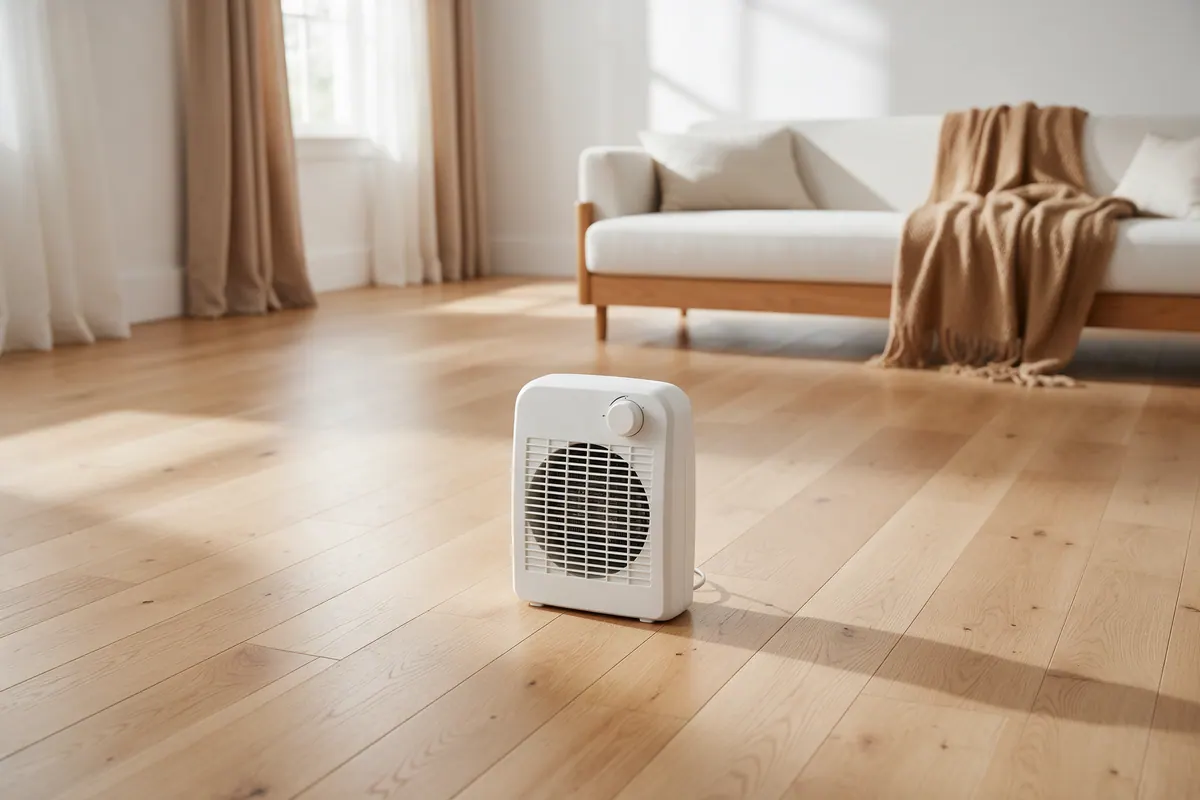
The most important space heater safety tips are simple: keep the heater at least 3 feet from anything that can burn, plug it directly into a wall outlet (never an extension cord or power strip), and turn it off when you leave the room or go to sleep. When you buy one, choose a heater certified by a nationally recognized testing laboratory with automatic tip-over protection and a guard over the heating element. Those rules come straight from the U.S. Consumer Product Safety Commission (CPSC) and the National Fire Protection Association (NFPA).
They matter most in the next few months. NFPA says 46 percent of U.S. home heating equipment fires happen from December through February, so now, before the first cold snap, is the right time to set up a heater properly or replace an old one.
How dangerous are space heaters?
Space heaters cause a small share of heating fires but a large share of the deaths. According to NFPA’s January 2026 figures, U.S. fire departments responded to an estimated average of 37,365 home heating equipment fires a year from 2020 to 2024, about 11 percent of all reported home fires. Those fires caused 417 civilian deaths, 1,260 injuries, and $1.2 billion in property damage a year. Space heaters and heating stoves together accounted for 47 percent of the fires but 73 percent of the deaths and 70 percent of the injuries.
The CPSC tracks portable heaters on their own. It estimates that portable heaters, including electric space heaters, are involved in an average of 1,600 fires, 70 deaths, and 150 injuries a year (2020 to 2022 data, from its January 2026 release). The two agencies count differently and cover different years, so don’t add the numbers together. Both point the same way: most of the danger comes from how and where a heater is used.
Space heater safety tips: how to use one safely
Run through these steps at the start of each heating season, and any time you move the heater to a new room.
- Check for a recall. Search the brand and model at cpsc.gov/recalls. The CPSC says to stop using a recalled product immediately and contact the company for the remedy, which can be a refund, repair, or replacement. (See our Kalorik Maxx recall and CPSC warning explainer for how recalls and warnings differ.)
- Inspect the heater and cord. Don’t use a heater with a frayed or damaged cord, a cracked housing, or a missing guard, knob, or foot.
- Place it on a hard, level floor. The CPSC says to set heaters on a level, hard, nonflammable surface, not on rugs or carpets. Keep it out of walkways.
- Clear 3 feet around it. Keep drapes, furniture, bedding, and anything else that can burn at least three feet away. NFPA applies the same 3-foot rule to furnaces, fireplaces, and wood stoves. Keep children and pets out of that space too.
- Plug it straight into a wall outlet. The CPSC says never to plug an electric space heater into an extension cord or power strip.
- Turn it off when you leave or sleep. NFPA says to turn space heaters off when you leave the room or go to sleep, and the CPSC says never to place one close to a sleeping person.
Why can’t you plug a space heater into an extension cord or power strip?
The CPSC’s guidance is direct: wall outlet only, never an extension cord or power strip. NFPA adds that extension cords are meant for temporary use, and that you should have an electrician add outlets rather than rely on them. It also says to keep cords out of doorways and from under carpets, where damage goes unnoticed.
Can a space heater share an outlet?
NFPA recommends only one heat-producing appliance per outlet at a time. That includes space heaters, coffee makers, and toasters. If a heater keeps tripping the breaker, don’t move it to a power strip. Move it to a different outlet, or have an electrician check the circuit.
Is it OK to leave a space heater on overnight?
No. Both agencies say to turn heaters off when you sleep. If a bedroom is cold, warm it before bed and switch the heater off when you turn in. The CPSC also recommends a working smoke alarm on every level of the home and inside each bedroom, and a carbon monoxide alarm outside sleeping areas.
Electric vs. fuel-burning space heaters
Fuel-burning heaters, such as kerosene or unvented gas models, add risks that electric heaters don’t.
| Electric space heater | Fuel-burning space heater (kerosene, unvented gas) | |
|---|---|---|
| Power | Plugs into a wall outlet | Burns fuel in the room |
| Carbon monoxide risk | No combustion | Can cause CO poisoning and indoor air pollution from improper venting or incomplete combustion (CPSC) |
| Key safety device | Automatic tip-over cutoff (CPSC) | Tip-over cutoff on kerosene models, oxygen depletion sensor on unvented gas models (CPSC) |
| Biggest use mistake | Extension cords and power strips | Refueling while it’s running, or poor ventilation |
| Upkeep | Inspect cord and housing each season | CPSC recommends an annual inspection for gas and kerosene heaters |
If you use a fuel-burning heater, follow the maker’s instructions for fuel and combustion air, never refuel it while it’s running or hot, and keep doors open to the rest of the house with unvented models, as the CPSC advises. If you smell gas, leave the house and call your gas utility from outside.
Space heater safety features to look for when you buy
The CPSC’s buying advice starts with certification: choose a heater tested to the latest safety standards and certified by a nationally recognized testing laboratory. Older heaters may not meet newer standards, so an old garage-sale heater is a poor bargain.
- A testing-lab certification mark. Look for the mark of a recognized testing laboratory on the heater and its label, and check it on the box before you buy.
- Automatic tip-over protection. The CPSC says an automatic cut-off is now required to turn off electric and kerosene heaters if they tip over. UL notes that a listed heater can pass its tip-over test with either a tip-over switch or temperature-limiting controls, so check the listing if you want a switch specifically.
- A guard over the heating element. The CPSC recommends a heater with a guard around the heating element or flame area.
- Overheat protection and an auto shutoff timer. These are useful extras on top of the three basics above, but they don’t replace turning the heater off when you leave the room or go to bed.
- A cord long enough to reach an outlet. Because you can’t use an extension cord, measure from the spot where the heater will sit (3 feet from furniture and curtains) to the nearest outlet before you buy.
Signs it’s time to stop using a space heater
- The cord, plug, or outlet gets hot or looks scorched.
- It trips the breaker or blows a fuse often.
- The housing is cracked, the guard is missing, or it wobbles and won’t stand level.
- The tip-over protection doesn’t shut it off when it’s knocked over.
- It appears on a CPSC recall.
Don’t try to repair a damaged heater’s cord or internals yourself; replace it with a certified model. For the rest of your home’s fall fire-safety checklist, clean the dryer vent (our dryer vent cleaning guide walks through it) and see the maintenance calendar for other seasonal tasks. For larger appliances, our repair-or-replace guide covers when a fix makes sense.
Step-by-step summary
- Check for a recall. Search the heater's brand and model at cpsc.gov/recalls before the first use of the season. If it has been recalled, stop using it and contact the company for the remedy.
- Inspect the heater and cord. Look for a damaged cord, cracked housing, missing guard, or broken knobs or feet. Don't use a heater that is damaged.
- Place it on a hard, level floor. Set it on a level, hard, nonflammable surface, not on a rug, carpet, bed, or furniture, and away from foot traffic.
- Clear 3 feet around it. Keep curtains, bedding, furniture, clothing, paper, and anything else that can burn at least 3 feet away. Keep kids and pets out of that zone.
- Plug it directly into a wall outlet. Never use an extension cord or power strip, and don't plug another heat-producing appliance into the same outlet. Don't run the cord under rugs or across doorways.
- Turn it off when you leave or sleep. Switch the heater off whenever you leave the room or go to bed, and make sure smoke alarms on every level and in each bedroom work.
Frequently asked questions
Can you plug a space heater into an extension cord?
No. The CPSC says to plug electric space heaters directly into a wall outlet and never into an extension cord or power strip. NFPA adds that extension cords are meant for temporary use only.
How far should a space heater be from furniture and curtains?
At least 3 feet. Both the CPSC and NFPA say to keep anything that can burn, including furniture, bedding, curtains and drapes, at least three feet away from a space heater.
Is it safe to leave a space heater on overnight?
No. The CPSC says to turn heaters off when you sleep, and NFPA says to turn space heaters off when you leave the room or go to sleep. Warm the room before bed, then switch the heater off.
Can a space heater share an outlet with other appliances?
NFPA recommends plugging only one heat-producing appliance, such as a space heater, coffee maker or toaster, into an outlet at a time. If breakers trip often or an outlet feels warm, call an electrician.
Do all space heaters have a tip-over switch?
Not necessarily a switch. UL says listed portable electric heaters must pass a tip-over test, and makers can meet it with either a tip-over switch or temperature-limiting controls, so check the product listing if you specifically want a switch.
How do I check if my space heater has been recalled?
Search the brand and model number at cpsc.gov/recalls. If it has been recalled, the CPSC says to stop using it right away and contact the company for the remedy, which may be a refund, repair or replacement.
Sources
- NFPA: U.S. home heating fires peak during winter months (Jan 22, 2026)
- CPSC: Keep Warm and Safe This Winter: Tips for Using Generators, Furnaces and Space Heaters (release 26-217, Jan 23, 2026)
- CPSC: Space Heater Safety: The 3-Foot Rule That Prevents Fires (Feb 12, 2026)
- CPSC: CPSC Offers Tips to Prevent Home Fires From Space Heaters (release 04-054)
- UL: Electric Heaters, Tip-over Protection (code authority FAQ)
- U.S. Fire Administration: Heating Fire Safety