Gas vs. Electric vs. Induction Range: Which Should You Buy?
Compare gas, electric, and induction ranges on efficiency, speed, cookware, indoor air, installation, and safety, with sourced numbers to help you choose.
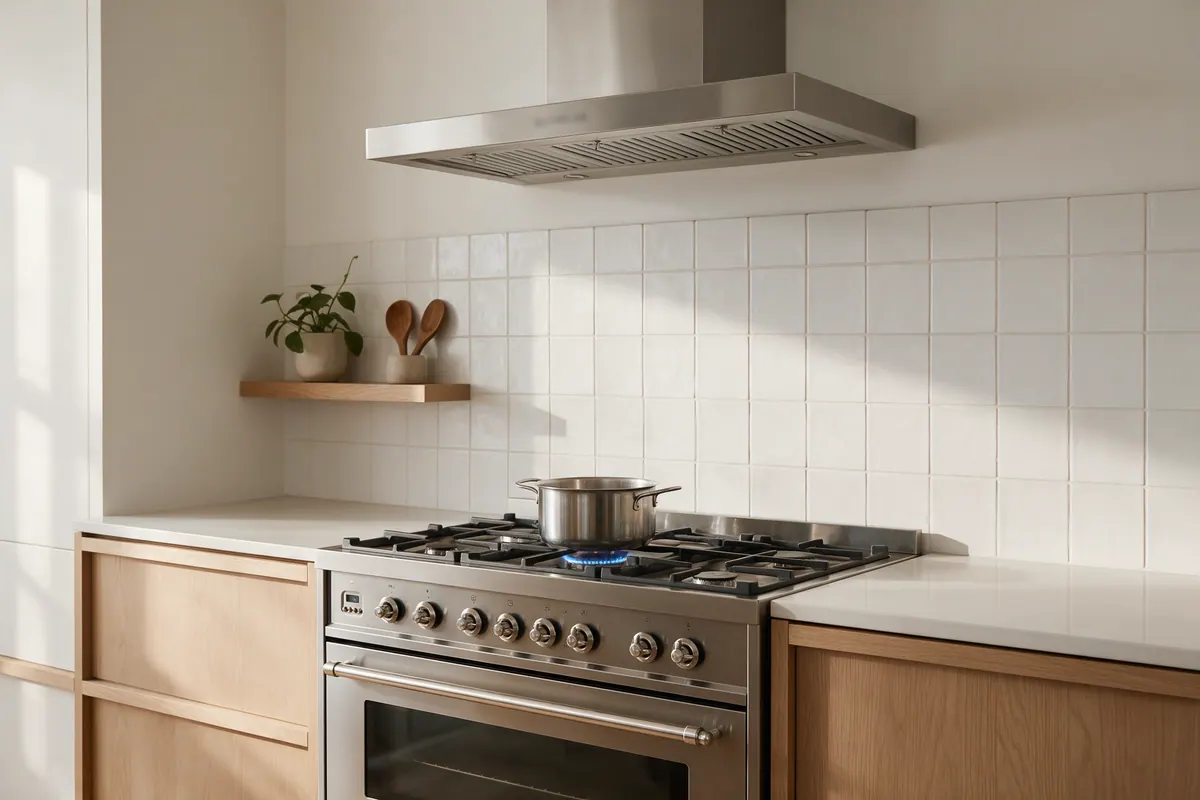
Choosing a new range starts with one decision that affects everything else: how it heats. Gas cooks with a flame, conventional electric with glowing resistance elements, and induction with a magnetic field that heats the pan itself. Here is how they compare on the things that matter day to day, with numbers from ENERGY STAR, the U.S. Department of Energy, and manufacturer installation instructions.
Short answer: pick induction if you want the fastest, most efficient, easiest-to-clean cooktop and you have (or can add) a 240-volt circuit and magnetic cookware. Pick gas if you already have a gas line, love cooking over a visible flame, and can vent a range hood outdoors. Pick conventional electric (smooth-top or coil) if you want the lowest-hassle swap in a kitchen that already has a 240-volt range outlet.
Gas vs. electric vs. induction at a glance
| Gas | Electric (radiant or coil) | Induction | |
|---|---|---|---|
| How it heats | Burning natural gas or propane | Resistance elements heat the cooktop, which heats the pan | Electromagnetic field heats magnetic cookware directly |
| Cooktop energy efficiency (ENERGY STAR estimate) | About 32% | About 75 to 80% | About 85% |
| Power and hookup | Gas line plus a grounded 120V outlet for ignition and controls | 240V range circuit (GE specifies an individual 40-amp circuit) | 240V range circuit, like other electric ranges |
| Cookware | Any | Flat-bottomed pans work best on smooth tops | Must be magnetic (magnet test) |
| Indoor air | Produces combustion byproducts; EPA advises an outdoor-vented hood | No combustion | No combustion |
| Cleaning | Grates and burner caps to remove | Smooth glass wipes clean; coils have drip pans | Smooth glass; spills burn on less because the surface stays cooler |
| Oven | Gas oven (or electric on dual-fuel models) | Electric oven | Electric oven |
Efficiency and speed
ENERGY STAR estimates that conventional gas cooktops transfer about 32% of their energy to the food, electric resistance about 75 to 80%, and induction about 85%. It sums up induction as about 5 to 10% more efficient than conventional electric and about three times more efficient than gas. The Department of Energy uses similar language: induction is up to three times more efficient than gas and up to 10% more efficient than a conventional smooth-top electric range.
Induction is also fast. The Department of Energy cites Consumer Reports testing that found induction cooktops can boil water 20 to 40% faster than the gas and traditional electric cooktops it tested.
Efficiency is not the same as operating cost: what you pay depends on your local electricity and gas rates. Check the EnergyGuide information and your utility rates before assuming one will be cheaper to run.
Cookware: the induction magnet test
Induction only works with magnetic cookware. The Department of Energy’s rule of thumb: any pot or pan with a flat bottom that a magnet sticks to will work. Cast iron, enameled cast iron, and most magnetic stainless steel are fine. Plain aluminum, copper, and glass will not heat unless they have a magnetic base. Gas and conventional electric work with almost anything, although smooth-top electric cooktops heat best with flat-bottomed pans.
Indoor air and ventilation
This is the biggest practical difference between gas and the two electric options.
- Gas: EPA lists gas stoves as an indoor source of nitrogen dioxide and recommends installing and using an exhaust fan vented to the outdoors over gas stoves. The Department of Energy notes that burning gas for cooking produces nitrogen oxides, carbon monoxide, and formaldehyde, and cites a 2022 study estimating that 12.7% of current childhood asthma in the U.S. is attributable to gas stove use.
- Electric and induction: no combustion, so none of those byproducts. You still want a hood for cooking smoke, grease, and moisture.
If you choose gas, budget for a ducted range hood, not just a recirculating one, and use it every time you cook. Never use a gas range or oven to heat your home.
Installation: what your kitchen needs
Check this before you fall in love with a model. Switching fuel types is where surprise costs show up.
- Electric and induction ranges need a 240-volt range circuit. GE’s installation instructions for its electric ranges call for an individual, properly grounded 40-amp circuit and a matching range cord or direct connection. Many kitchens that have always had gas do not have this circuit, so plan for an electrician.
- Gas ranges need a gas supply line and a grounded 120-volt outlet for the igniters, clock, and oven controls. GE’s gas range instructions specify a circuit protected by a 15- or 20-amp breaker. Gas connections should be made by a qualified installer, and the CPSC advises having most fuel-burning appliances installed by qualified professionals.
- Every freestanding or slide-in range should have its anti-tip bracket installed. CPSC notes anti-tip brackets have been required since 1991 because ranges can tip forward when weight is put on an open oven door, and young children were involved in many of the deaths it reviewed. Re-engage the bracket whenever the range is moved.
Safety and everyday use
- Induction: the cooking surface gets hot only from contact with the hot pan, so it stays cooler than other cooktops. The Department of Energy notes most induction cooktops automatically shut off if no pan is detected.
- Gas: open flame and hot grates; precise visual feedback that many cooks like; works during a power outage only if your model allows manual lighting (check the manual).
- Electric radiant: the glass stays hot for a while after you turn it off; most models have a hot-surface indicator light.
Which should you buy?
Choose induction if: you have or can add a 240V circuit, your cookware passes the magnet test (or you are willing to replace a few pans), and you want speed, efficiency, and easy cleanup.
Choose gas if: you already have a gas line, you prefer a visible flame, and you can install and use a hood vented outdoors.
Choose conventional electric if: you already have a 240V range outlet and want a straightforward, typically lower-cost replacement without changing cookware.
Before buying, measure the opening (width, depth, and any counter overhang) and decide between freestanding and slide-in. For lifespan expectations, gas ranges averaged about 15 years and electric ranges about 13 years in the NAHB life-expectancy study; see our appliance lifespan chart. Unfamiliar terms? Check the appliance glossary.
Frequently asked questions
Is induction more efficient than gas?
Yes. ENERGY STAR estimates induction cooktops transfer about 85% of their energy to the cookware, versus about 32% for gas and 75 to 80% for electric resistance. The U.S. Department of Energy describes induction as up to three times more efficient than gas.
Do I need new pots and pans for induction?
Only if your current ones are not magnetic. The Department of Energy says any pot or pan with a flat bottom that a magnet sticks to will work on induction. Cast iron and most magnetic stainless steel work; plain aluminum, copper, and glass do not unless they have a magnetic base.
Can I put an electric or induction range where my gas range was?
Usually, but you will need a 240-volt range circuit, which many gas kitchens do not have. GE's installation instructions for its electric ranges call for an individual, properly grounded 40-amp circuit. Have an electrician add the circuit and a licensed professional cap the gas line.
Are gas stoves bad for indoor air?
EPA lists gas stoves as an indoor source of nitrogen dioxide and recommends installing and using an exhaust fan vented to the outdoors over them. The Department of Energy also notes that burning gas for cooking produces nitrogen oxides, carbon monoxide, and formaldehyde.
What does a gas range need for installation?
A gas supply line and, for electronic ignition and controls, a standard grounded 120-volt outlet. GE's gas range instructions specify a properly grounded 120-volt circuit protected by a 15- or 20-amp breaker. Gas connections should be made by a qualified installer.
Sources
- ENERGY STAR: Residential Induction Cooking Tops (Emerging Technology Award, 2021-2022)
- U.S. Department of Energy: Making the Switch to Induction Stoves or Cooktops (May 2023)
- EPA: Nitrogen Dioxide's Impact on Indoor Air Quality
- GE Appliances: Electric range installation instructions (40-amp circuit, anti-tip bracket)
- GE Appliances: Gas slide-in range installation instructions (120V, 15/20-amp circuit)
- CPSC: Free Standing Kitchen Ranges (tip-over and anti-tip brackets)
- CPSC: Carbon Monoxide Fact Sheet